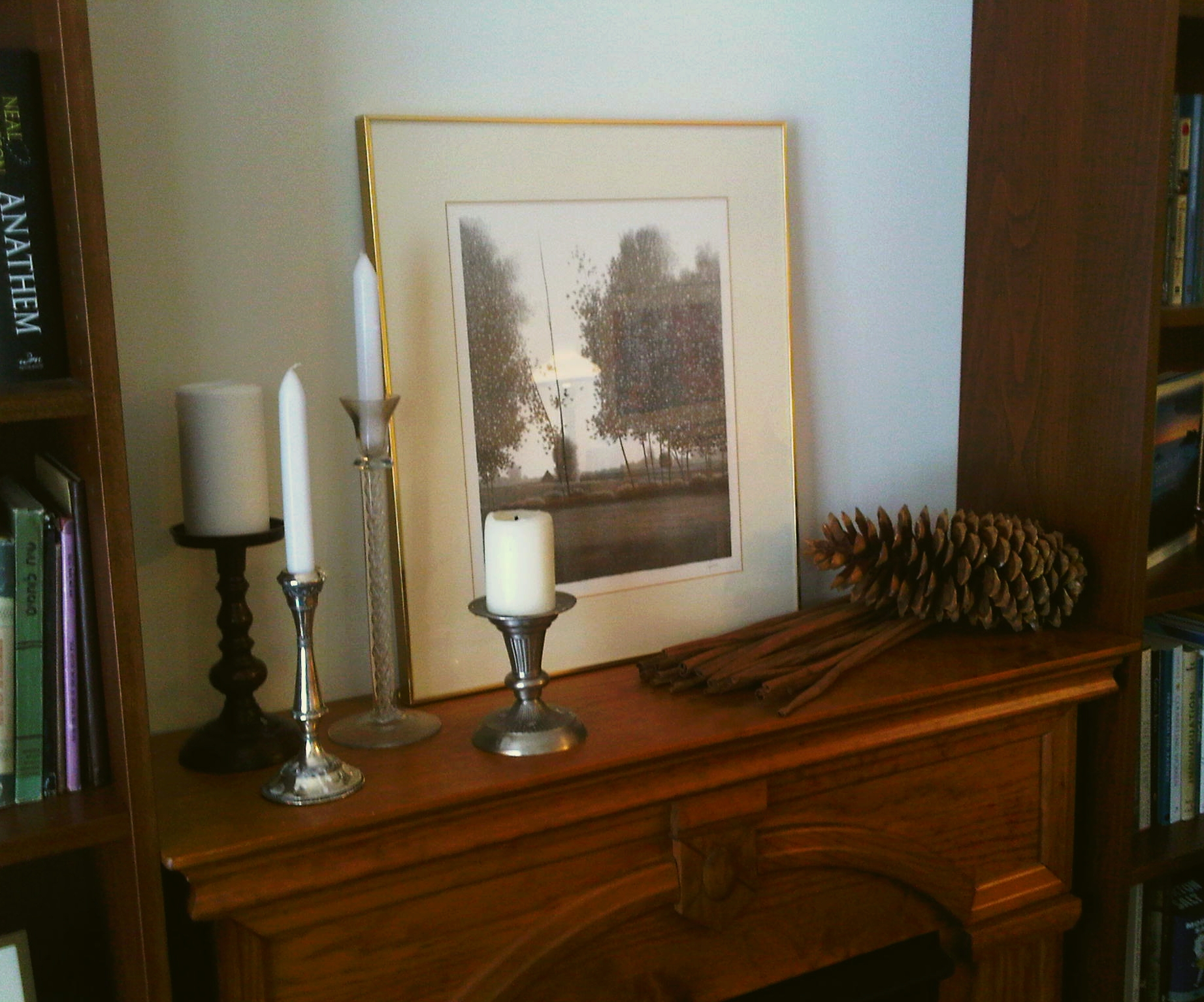
With seasonal and Christmas decorations put away I spent a few minutes to do a winter arrangement on the mantel. I kept it simple and continued using the large pine cone and giant cinnamon sticks because they speak to me of the lack of greenery this time of year. Then I decided to break out the romantic treatment here as well. Again, layers of texture showed up in sliver, pewter, wood and glass candlesticks. What’s more romantic than candlelight? I kept the muted print in a metal frame and added white and cream colored candles.
Remember the autumn mantel decor before:
Photo A. Meshar
And here’s the romantic winter version:
Photo A. Meshar
This took less than ten minutes, used what I already had, looks clean and fresh AND it’s romantic!
Each of us has a story that we tell ourselves and others about our lives. Our story may include the roles we have played in relationships such as a spouse, child, sibling, parent, grandparent or step-parent for example. The part we play in our story may be determined by our occupation or education. Often the story includes events we encountered and how we overcame them or failed to. Take time to think about your story.
Recently I learned that my life story, as told by my family of origin, is completely different from the story that I (and others) know about my life. Since I never knew about the story being told, it didn’t affect my own life choices. However, I’m sure the story I told myself sometimes limited the choices I saw in my life – as all stories will.
The Judeo-Christian tradition offers a number of healing archetypal life stories. Many identify with the story of Exodus in the Hebrew Scriptures. It is a story of leaving a life of enslavement to the dominant culture (Egypt) and escaping to a new life. Others may resonate with the story of Jesus. Jesus was falsely accused, scapegoated, tortured and killed – but he was resurrected as a new creation, no longer constrained by who he used to be. In both stories, the world is an enchanted place. God can do for us what we can not imagine for ourselves. In my own life, I truly feel that God “resurrected” me into a new life.
You are not your story. I am not my story. We can change our story to change our future. We can create a new story. We can choose no story at all.
Do you have a story? Consider its components. Are you the victim or the hero in your story? Does this expand or limit the possibilities you see for yourself? Ask yourself this question, “If this was not my story, how would my life be different going forward?” Or consider this, “What would be my ideal story?” Using magazine pictures create a collage using key elements of your new life story. Or find a picture or object that represents your ideal story. Place it where you can see it easily. Now live as if that story was already true!
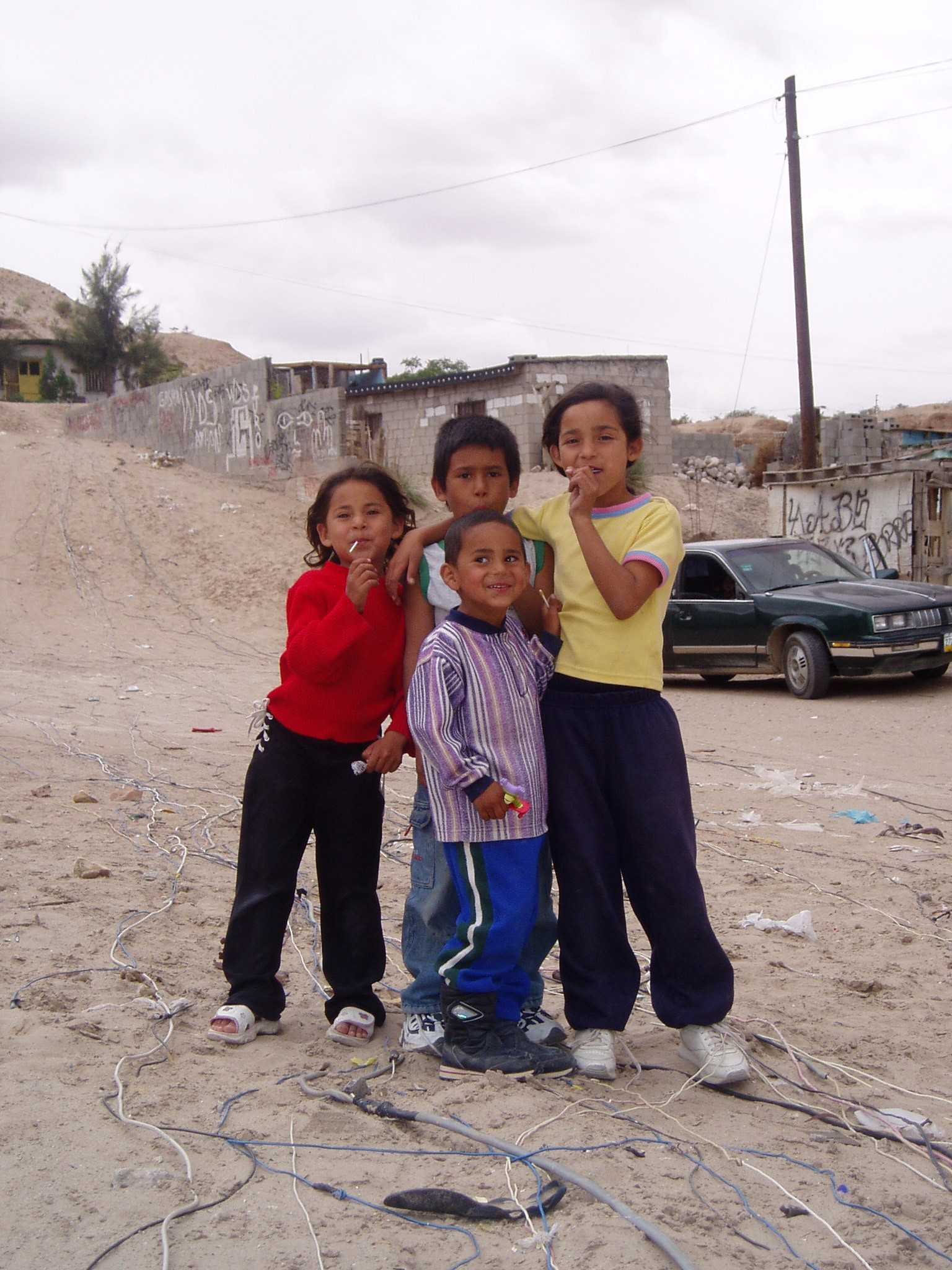
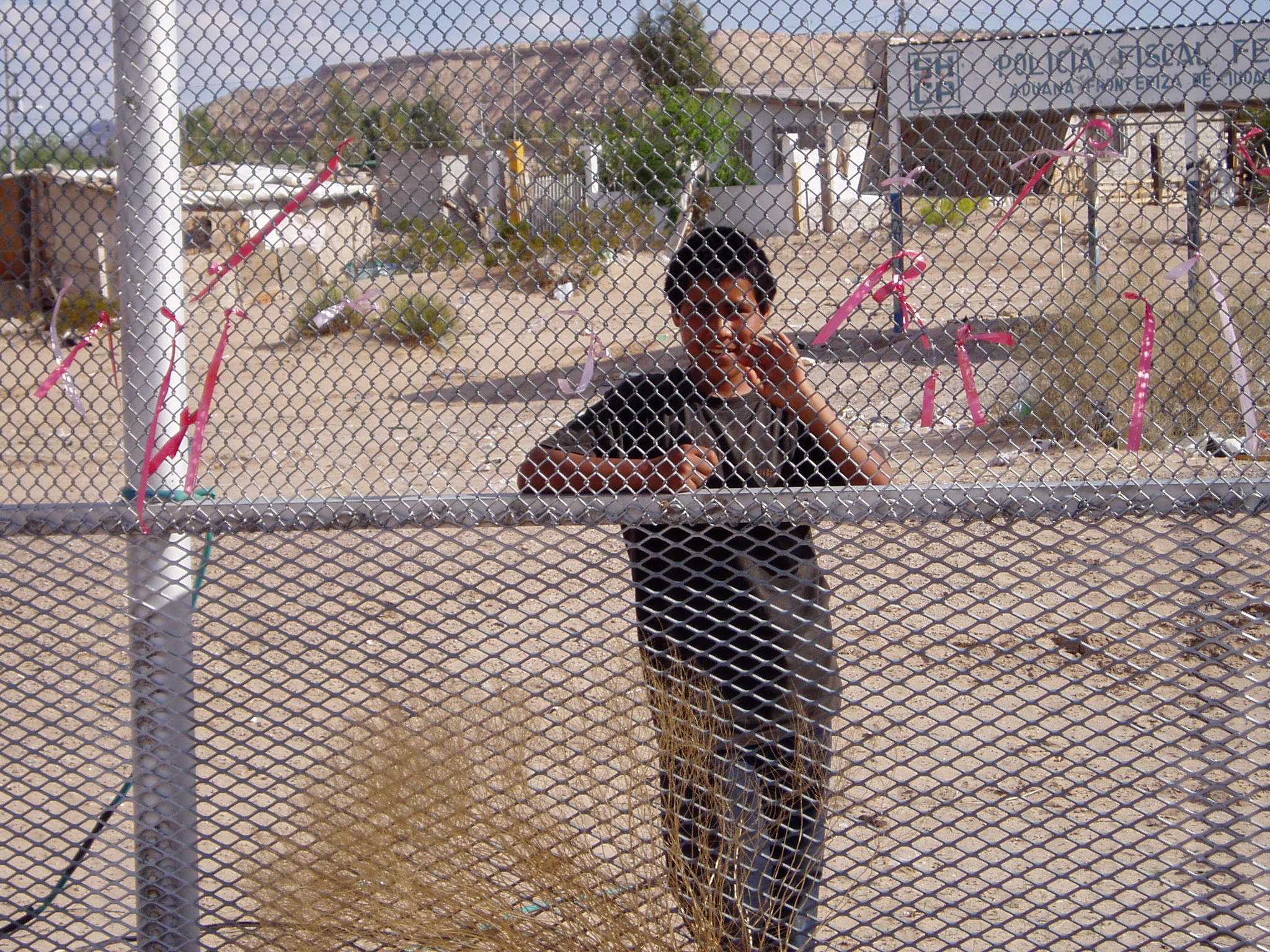
Live electric cables at the feet of children in Juarez, Mx
Dublin and Paris are nice. But they give us a very limited view of the world. Not the world as it really is. The fact is that two thirds of the world lives in unimaginable poverty. We have a moral obligation to educate ourselves about what this means for the lives of others. We are all connected.
In 2004 I made my first trip to Juarez, Mexico. The purpose of this trip was to enter into the economic reality of the people living in Juarez, Mexico. Juarez is a city of 1.5 million people just across the border from El Paso, Texas. If it wasn’t for the U.S./Mexico border, the communities of Juarez and El Paso, Texas would appear to be one single community, much like my hometown of the Twin Cities of Minneapolis and St. Paul. Often it is difficult to tell where Minneapolis ends and St. Paul begins. However, in Juarez, because of the border they are not one community. Economically they are worlds apart.
The juncture of El Paso and Juarez is marketed as “the only place in the Western Hemisphere where the first world and the third world meet.” Although I avoid the use of the term “third world” which implies “third rate” or somehow “less than” and likewise implies that the “first world” is better or more than. I prefer the terms “global south” or “two thirds world.”
Upon arriving in El Paso, we noticed the nice middle class homes, manicured lawns, parks, and schools. In many ways it is similar to towns elsewhere in the United States. But when we crossed the border into Juarez things changed. The streets became gravel and the houses became corrugated metal and cardboard. People lived without electricity and plumbing. There were very few middle class neighborhoods and wide, green boulevards existed only in the industrial and commercial areas. Over the few days we visited, we spoke with many of the people living in Juarez. We came to learn that they work at the 350 U.S. and European factories there, that produce many of the name brand products and appliances that we use in the United States. The migrant house we stayed in, for example, was across the street from the Proctor Silex factory. People work in these factories for $4 a day. You read it correctly – not $40 a day, but $4 a day!
You might wonder if the cost of living is less in Juarez. So did we. So we made a trip to the local grocery store. Surprisingly the prices were the same or even higher than the prices at home. So, on $4 a day one can barely afford one meal much less attempt to feed an entire family and pay for housing, clothing etc. In Juarez, both parents work as well as any children over 12 years of age. For a family of four, this means they are trying to feed themselves on about $12 a day and pay for all other living expenses. It is an impossible task. That is why they are living in cardboard boxes with no electricity. And this is why our coffee makers, TV’s and clothing are so inexpensive. Components are shipped from the U.S. to Juarez. The cheap labor of the Mexican workers assembles the products and they are transported back to the U.S. for sale in our stores.
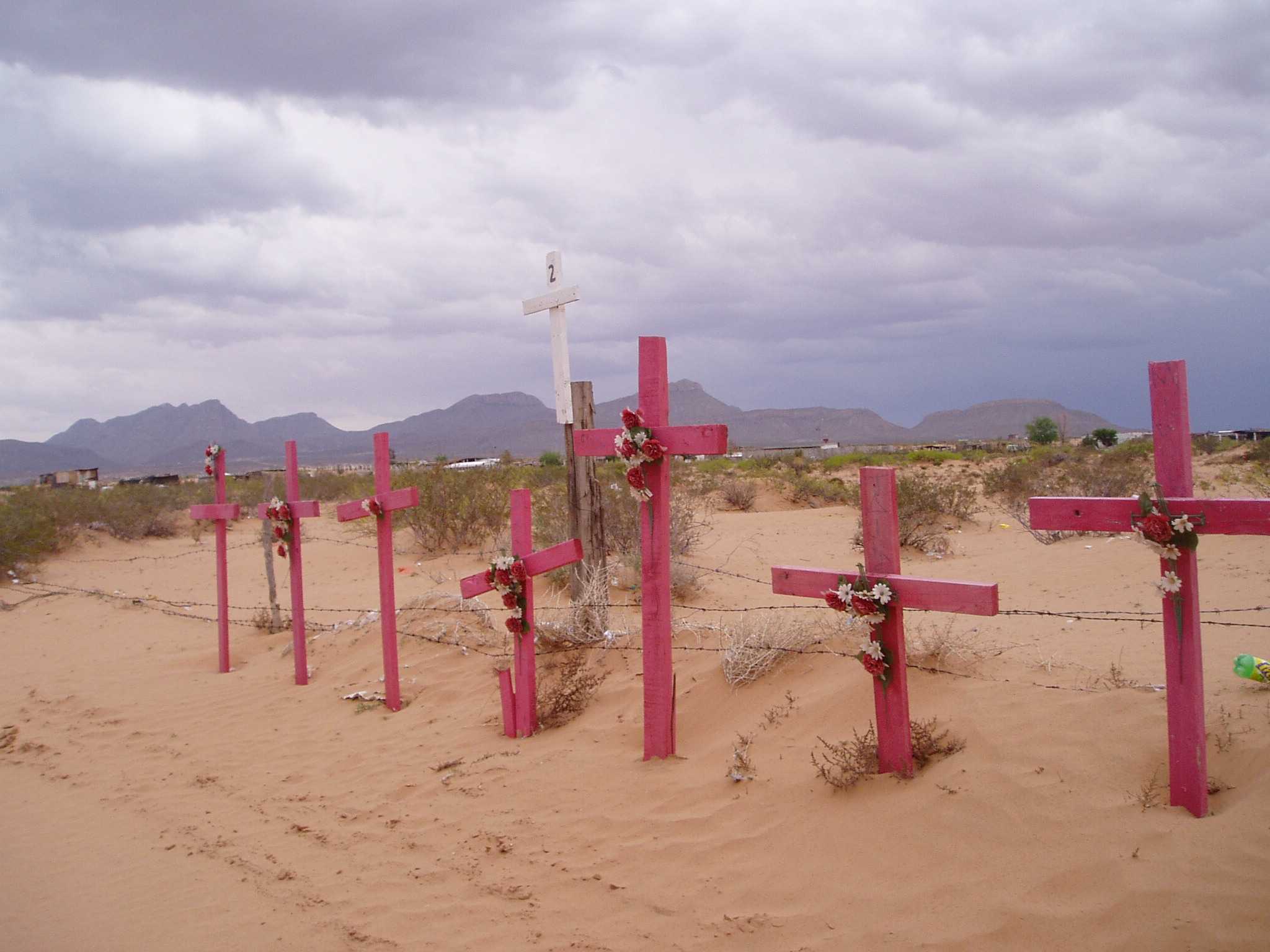
Death at the border, Juarez, Mx
The border between the U.S. and Mexico was supposed to be opened with the signing of NAFTA (North American Free Trade Agreement). Inherent in this agreement was the opening of the border to the free movement of people and goods. However, only Americans and their goods are moving freely across the border. The border is most definitely closed to Mexicans. Prior to the agreement Mexicans were able to move a little more freely between Mexico and the U.S. They often worked in El Paso during the day and returned to their homes and families at night. Now they cannot cross the border without risking being picked up or shot by the border patrol. Also, a 2,000-mile fence was installed just prior to NAFTA. I believe the factories in Juarez feared losing their cheap labor with the opening of the border and so pressured the Clinton administration to erect the fence. The border was further tightened in the Bush administration. We were informed that the U.S. spends around $2 billion each year to guard this border.
The fact is that Mexicans prefer to stay in Mexico. They do not want to move to the U.S. Like any of us they prefer to live in their own homeland. But they do need jobs that can support them and the jobs that pay better are in the U.S. Eliminating the border barriers would go a long way to raising wages in Mexico. With an open border, jobs in Juarez would need to pay more in order to compete with jobs paying minimum wage in El Paso. But corporations who own the factories in Juarez would prefer that the border remain closed and the wages remain immorally low and product prices remain cheaper than they truly should be.
Furthermore, this situation exists in factories around the world, for example in China and other Asian countries too. At bottom, this means we are living our lifestyles on the backs of other people. Someone mentioned that, nevertheless, it was generous for Americans to give up their paid vacations to visit Juarez. But this shows a lack of understanding of this entire economic situation. Companies can afford to provide us with “paid vacations” (ultimately paid for by whom?) and other benefits because the expenses for other items are so much less due to this cheap labor. Truly, everything we have (including paid vacations) is subsidized by this tragically cheap labor.
We spent our Easter Week in the colonias or neighborhoods of Juarez and talked with the people there. This was “mission in reverse.” We didn’t offer to do anything for them or build anything for them. How could we? It would have been arrogant for us to assume that we could possibly know what they might need. In truth, they are excellent builders and many worked in construction jobs here in the U.S. before the border was closed. Rather, we went to listen, and to hear their story. They wanted us to bring their story back and to share it with others here in the U.S. This situation (and others like it), can change only when many people in North America begin to understand this political and economic interdependence. This one situation illustrates the stark reality that everything from the clothes we wear to the many gadgets and appliances we use are very political. Our lifestyle choices and national trade policies have real consequences for others. We are crucifying others every day with our choices and policies.
What can you do? Educate yourself. Share what you learn with others. To learn more –
Click the video link below to see reality as it really is for many around the world, in order to support our North American lifestyle:
“All I need” video comparing lifestyles of typical U.S. kid and Global South kids.
World poverty ‘more widespread’ **
In this article the World Bank says there are more poor people in the world than previously thought, with one in four in poverty.
What does it mean to earn a living wage ? Notice how little is included in this calculation.
read journalist Mark Kramer’s fascinating journey to 7 of the world’s urban slums in his book, Dispossessed. If your library doesn’t have this book, change their selection. Ask that they order it for you.
Happiness is a choice and a habit. I have learned that how I feel on the inside does not depend on my exterior circumstances. Individuals like Ghandi and Etty Hillesum are well-known people who have demonstrated this for us. Be inspired. Read Etty Hillesum’s diary, An Interrupted Life.
Whether we are married or not, have children or not, are rich or not, has no bearing on our ability to be happy. Once our basic needs are met, if we choose happiness, life will open itself to us. Enjoy life fully and then, regardless of your circumstances, you will have had a wonderful life. If marriage, children, the job we want, etc. occur – then that is merely icing on the cake – is it not? If those things don’t happen, life is still good.
Since happiness is a choice why wouldn’t we choose it? Like learning to play the piano, choosing a life of happiness requires daily practice that keeps us healthy in body and mind.
How do we choose happiness habits? We choose them – or not – a thousand times each day. Here are some choices for happiness we can make today:
Play, skip, volunteer, exercise, stretch, build deeper relationships, read what inspires you, use your imagination, dance, cook for yourself, cook for others, sit and just listen, do nothing, listen to music, meet new people, smile, laugh, sing, enjoy nature, pray, meditate, find awe in the ordinary, be willing to be surprised, breathe deeply, discover yourself, enjoy time alone.
All that is required to choose happiness is to have our most basic needs met. That is why it is important to work for change so others’ basic needs are met – then they will have the ability to choose happiness too.
Choose happiness habits today!
Coming soon . . .
Recently this blog visited Paris and Dublin. Next time we are off to Juarez, Mexico. Join me.
It is a hot, dry day in Jerusalem. Afternoon light pours in through the curtains and spills onto the terrazzo floor. There is a thick layer of dust on the sofa, chairs, tables and bookshelves. Artwork hangs from every wall. The chest holds beautiful linens and a drawer full of silver, serving bowls and carvings.
The room seems to echo. An entire life happened here. But now everything must be moved out. The house has been sold. We can only take what will fit in the two large suitcases.
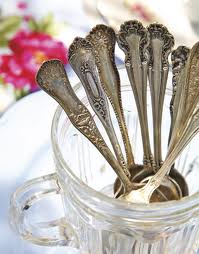
Silently we take the art out of their frames. I am tired from packing. Thirsty, too, from the heat and the dust. Finally the last serving pieces and silverware are placed in a leather duffel. It will be left with friends. Picking up the eight, tiny silver spoons, I wrap them in a linen napkin and place them in my purse.